
Key Takeaways
Understanding local permit requirements in Los Angeles can streamline ADU construction scheduling.
Engaging with experienced local contractors familiar with city codes can significantly reduce delays.
Effective communication with neighboring property owners can prevent scheduling conflicts early on.
Knowing the peak construction seasons in LA helps in planning and securing resources efficiently.
Leveraging local material suppliers ensures timely delivery and minimizes disruptions to the project.
Considering local climate and architectural styles in your ADU design optimizes functionality and aesthetics.
Prioritizing energy-efficient features can lead to faster permit approvals based on Los Angeles' green building initiatives.
Scheduling ADU construction in Los Angeles requires careful planning. Key dependencies include permitting, which can take up to two months, and utility availability, ensuring your contractor can access water, electric, and gas lines. Engaging with experienced local professionals can streamline these processes, minimizing delays and ensuring a smoother build.
In the bustling heart of Los Angeles, where the demand for housing continues to soar, attached ADU construction has emerged as a valuable solution for both homeowners and the community. By transforming underutilized spaces into modern, functional living areas, local builders like Affordable Construction and Top-Rated Contractors are not only helping to alleviate the housing crisis but also enhancing the quality of life for residents.
Los Angeles' unique architectural landscape offers a perfect canvas for creative and efficient ADU design. Whether adopting modern architectural styles or embracing traditional aesthetics, these additions can blend seamlessly with existing properties. The focus is on maximizing space, enhancing functionality, and providing a sense of community within the home.
When planning and construction begin, homeowners can expect a well-coordinated process, guided by licensed contractors who understand the local regulations, including building permits and zoning laws. This ensures that every ADU project not only complies with the law but also contributes positively to the community.
- Maximizing Efficient Attached ADU Construction in Los Angeles
- Community-Focused ADU Permitting for Los Angeles Residents
- Sustainable Attached Unit Designs for Los Angeles Homeowners
- Los Angeles' Top ADU Contractors: Expert Guidance
- Enhancing Urban Living: ADU Construction in LA Neighborhoods
- Navigating Zoning Laws for ADU Projects in Los Angeles
- Cost-Effective ADU Solutions for Los Angeles Property Owners
- Transforming Spaces: Interior Design for LA Attached ADUs
- Future-Proofing Your Home: ADU Planning for Los Angeles
Maximizing Efficient Attached ADU Construction in Los Angeles
In Los Angeles, the demand for attached ADU construction has been steadily rising, driven by a growing population and the desire for more livable, adaptable spaces. When planning to add an attached ADU to your property, timing and organization are key. The process involves numerous dependencies, from obtaining permits to scheduling construction, which can significantly impact the overall project timeline.
Obtaining the necessary building permits from the city of Los Angeles can take several weeks, depending on the project's complexity and the contractor's experience. Local regulations and zoning laws vary throughout the city, with each neighborhood potentially having unique requirements. It's crucial to consult with licensed contractors who are familiar with these local codes to ensure a smooth permitting process. Once permits are secured, the actual construction phase begins, and effective communication with your chosen contractor is essential.
The scheduling of construction activities, like foundation work, framing, and interior finishing, should be coordinated to maximize efficiency. Reputable local contractors in affordable attached ADU Los Angeles often use project management software to keep everyone on track. They'll work with you to determine a timeline that considers the weather, material deliveries, and labor availability, all of which can impact the overall construction duration. In Los Angeles, where space is premium, nearby ADU construction projects often require creative space optimization and storage solutions to accommodate both the existing home and the new ADU during the conversion process.
Community impact is another critical factor. Local construction activities should aim to minimize disturbance to neighbors, especially in densely populated areas. Proper communication and planning can help mitigate noise, dust, and traffic disruptions. Integrating modern design elements and energy-efficient materials can enhance the new ADU's appeal while contributing to the neighborhood's overall property values. By working with top-rated contractors who understand the local market and community expectations, property owners can ensure that their attached ADU construction project in Los Angeles is a success, providing a beautiful, functional, and valuable addition to their neighborhood.
Community-Focused ADU Permitting for Los Angeles Residents
Los Angeles residents looking to add an Attached ADU (Accessory Dwelling Unit) to their property face a unique set of challenges and opportunities. The community-focused permitting process for ADUs in Los Angeles is designed to ensure that new constructions blend seamlessly with existing neighborhoods, preserving the character and integrity of local communities. However, before breaking ground, homeowners must navigate a series of dependencies and schedule critical steps to avoid common mistakes and ensure a smooth construction process.
The first step in any ADU construction project in Los Angeles is securing the necessary permits. The city's building department reviews applications to ensure compliance with local zoning laws and building regulations. Homeowners should be prepared for a detailed permitting process that may include structural, electrical, and plumbing inspections. Engaging with a licensed contractor familiar with the ADU permitting process in Los Angeles is crucial. They can guide homeowners through the requirements, help prepare the necessary documents, and ensure that the project stays on track, avoiding delays caused by permit issues.
Another dependency to consider is the availability of budget-friendly materials and the potential for material shortages. The local construction market in Los Angeles can experience fluctuations, leading to changes in material costs and availability. Homeowners and contractors should plan for these variables by creating a detailed cost breakdown for the ADU project. By understanding the typical cost factors, including labor, materials, and permits, residents can better budget and avoid financial surprises. Opting for smart storage solutions and budget-friendly materials can significantly impact the overall cost, making the project more accessible to a wider range of Los Angeles residents.
Finally, Los Angeles homeowners should be aware of common mistakes to avoid during the ADU construction process. These include poor planning, neglecting to consult with experts, and overlooking safety and security measures. Engaging with reputable contractors who prioritize communication and community engagement is essential. They can help homeowners avoid mistakes by offering expert recommendations tailored to local regulations and ensuring that the ADU not only meets but exceeds safety standards, including fire safety, emergency preparedness, and pet-friendly design.
Sustainable Attached Unit Designs for Los Angeles Homeowners
In Los Angeles, the demand for sustainable and cost-effective housing solutions is on the rise, and Attached ADU (Accessory Dwelling Unit) construction has emerged as a popular choice for homeowners seeking to maximize their living space. When planning to build an ADU, Los Angeles residents must consider several key factors to ensure a successful project. The first step is to schedule a consultation with a local, top-rated contractor who specializes in ADU construction Los Angeles. These experts can guide property owners through the complex process, from design to permitting, offering valuable insights into local regulations and sustainable building practices.
The local market for ADU construction in Los Angeles is thriving, driven by a combination of factors. Growing populations and rising real estate costs have led many homeowners to explore ADUs as a means of creating additional living spaces while adding value to their properties. According to recent industry reports, the average ADU project in Los Angeles takes approximately one to two weeks to complete, with costs varying based on the size, design, and materials chosen. Cost-effective ADU ideas Los Angeles often focus on energy-efficient designs, utilizing local, sustainable materials to reduce construction waste and lower long-term utility bills. Many local contractors recommend incorporating solar panels and energy-efficient appliances as part of the conversion process, ensuring that the added space is not only functional but also environmentally friendly.
Before starting any construction project, homeowners should familiarize themselves with local zoning laws and building permits. The City of Los Angeles has specific guidelines regarding ADU placement, size, and design, ensuring that these structures meet community standards and contribute positively to the neighborhood. By engaging with a reputable local contractor, homeowners can navigate these dependencies more efficiently. They can also discuss design options, from modern architectural styles to traditional, timeless looks, tailoring the ADU to their personal preferences while keeping community feedback in mind. Many Los Angeles homeowners opt for ADUs that blend seamlessly with their existing properties, maintaining the neighborhood's aesthetic and character. This attention to detail not only enhances the property's appeal but also fosters a sense of community.
Los Angeles' Top ADU Contractors: Expert Guidance

Los Angeles, known for its vibrant communities and diverse neighborhoods, has seen a surge in Attached ADU (Accessory Dwelling Unit) construction, transforming properties and enhancing local living. For expert guidance and top-rated services, homeowners often turn to the best ADU contractors Los Angeles has to offer. These professionals navigate the complex process of ADU construction, ensuring compliance with local regulations and delivering beautiful, functional spaces.
Scheduling and dependencies are crucial aspects of any construction project, and ADU construction in Los Angeles is no exception. Before work begins, homeowners should anticipate and plan for several key factors. Top-rated contractors in the area emphasize the importance of a thorough pre-construction phase. This includes site assessments, permit applications, and utility coordination. In densely populated urban areas like Downtown LA, utility infrastructure is often shared among multiple properties, requiring careful scheduling to avoid disruptions during construction. Local contractors have established relationships with utility providers, streamlining these processes for their clients.
Another critical dependency is the project timeline. ADU construction in Los Angeles typically involves various stages, from initial design and permitting to actual building and final inspections. According to industry experts, most installations can take one to two days, but complex projects may extend this timeframe. Homeowners should discuss these timelines with their chosen contractors, ensuring they align with their expectations and the local market's capacity. Some neighborhoods might experience seasonal fluctuations in construction activity, affecting project timelines. Reputable Los Angeles ADU builders offer transparent communication, keeping clients informed every step of the way.
Community impact is also a significant consideration. ADU construction contributes to the vibrancy and density of local neighborhoods. By working with licensed contractors who understand the local landscape, homeowners can ensure their ADU additions enhance the community's character. Los Angeles' diverse and dynamic communities benefit from these projects, providing additional housing options and promoting sustainable urban living.
Enhancing Urban Living: ADU Construction in LA Neighborhoods
In the vibrant urban landscape of Los Angeles, attached ADU construction has emerged as a transformative solution for both homeowners and the community at large. Enhancing urban living, these additional dwelling units not only provide much-needed housing but also contribute to the character and diversity of our neighborhoods. However, before the construction process begins, there are several critical steps to consider, especially for scheduling and dependencies.
The journey towards creating a functional and beautiful ADU starts with obtaining the necessary permits from the City of Los Angeles. The permitting process, though essential for compliance, can be a complex and lengthy procedure. According to local experts, ADU permitting in LA can take around two to three weeks, depending on the project's scope and the contractor's experience. This initial step is where experienced local contractors excel, guiding homeowners through the requirements and ensuring a smooth start to the project. Once the permits are in hand, the real work begins.
Local contractors in Los Angeles are well-versed in navigating the unique challenges of urban construction. They understand the importance of minimizing disruptions to neighbors and adhering to local noise ordinances. Many reputable contractors offer comprehensive project management services, providing detailed timelines and regular updates to homeowners. A planned ADU estimate in LA might include costs for demolition, construction, and even potential utility upgrades. By involving a licensed and top-rated contractor early on, homeowners can better understand the timeline and budget for their project, ensuring a successful and efficient conversion process.
Hiring a contractor who specializes in ADU construction in Los Angeles brings a wealth of local knowledge and expertise to the table. These professionals are adept at communicating complex plans to both homeowners and building officials, ensuring a seamless transition from design to completion. With a clear understanding of local regulations and a focus on community integration, attached ADU construction in LA neighborhoods not only adds valuable living spaces but also contributes to the vibrant, diverse, and well-managed urban fabric of our city.
Navigating Zoning Laws for ADU Projects in Los Angeles
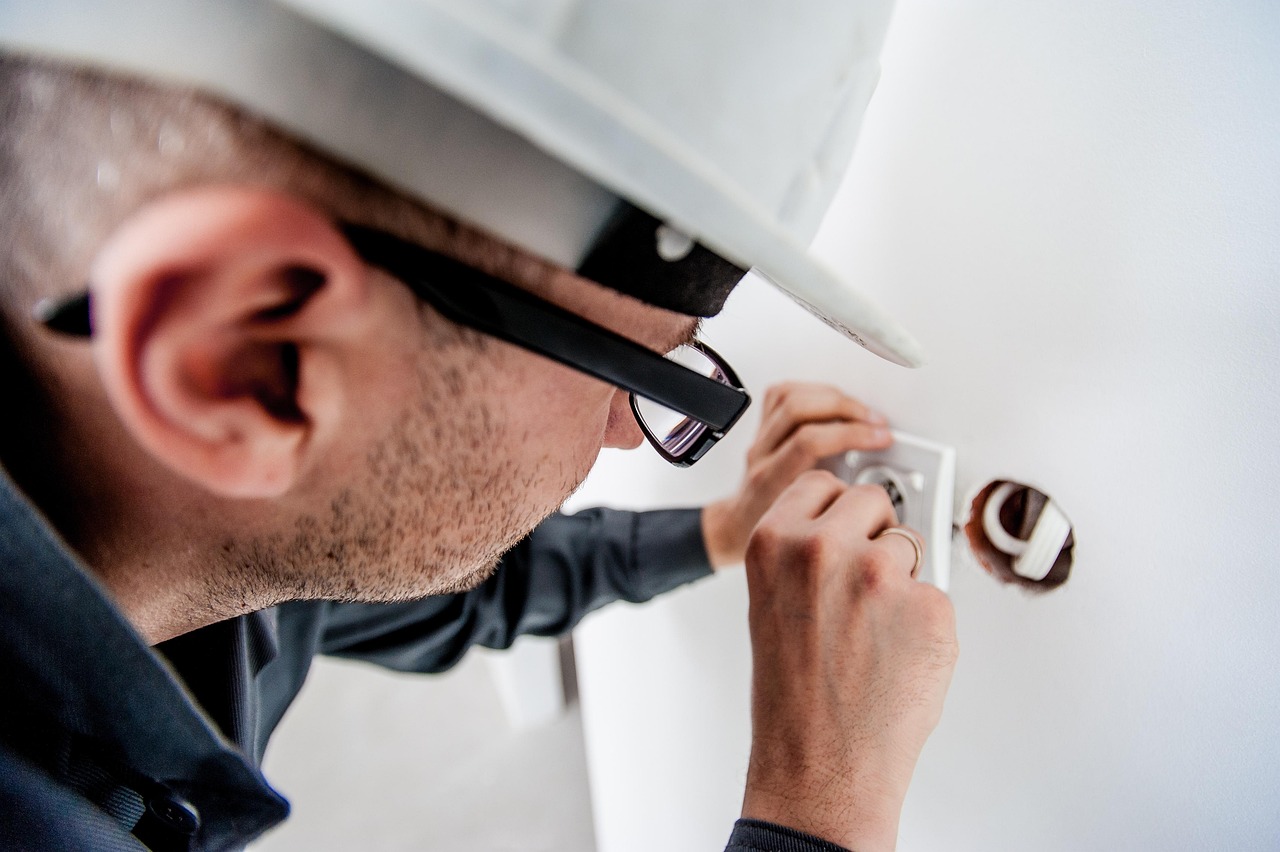
In Los Angeles, attached ADU (Accessory Dwelling Unit) construction is a popular way to expand living spaces and increase property value. However, navigating the zoning laws for ADU projects can be a complex task, requiring careful planning and expert guidance. The city's specific regulations dictate building codes, set-backs, and permitted uses, which can significantly impact the design and construction process. Understanding these laws is crucial for any homeowner considering an ADU addition to their property.
Los Angeles' zoning laws for ADUs are designed to ensure a balanced and harmonious community, preserving the character of each neighborhood. The process begins with a thorough review of the property's zoning designation, which determines what types of structures are permitted. Some areas may allow only traditional ADUs, while others might accommodate more modern, attached units. Homeowners should consult with licensed contractors and local building departments to understand the specific requirements and obtain the necessary permits. This phase is critical, as it sets the foundation for a successful project and prevents costly delays.
Cost-effective ADU ideas in Los Angeles often incorporate smart design choices and efficient construction methods. Insulation, for example, is a key consideration to ensure energy efficiency and comfort. Proper insulation techniques can reduce utility costs and make the ADU more livable year-round. Local contractors can offer valuable insights into budget-friendly materials and construction practices, ensuring that the final cost breakdown for ADU projects in Los Angeles is both competitive and sustainable. By understanding the local market and working with experienced professionals, homeowners can create functional, beautiful, and compliant ADUs that enhance their living spaces and contribute positively to the community.
Cost-Effective ADU Solutions for Los Angeles Property Owners
Los Angeles property owners considering an Attached ADU (Accessory Dwelling Unit) as a cost-effective solution for expanding their living space face a crucial step: scheduling and understanding the dependencies before construction begins. With the local market showing a growing trend towards ADU conversions, many homeowners are turning to local experts for guidance.
Planning an ADU construction in Los Angeles involves several key considerations. First, obtaining the necessary permits, including a building permit and potentially a zoning permit, is essential. The local ADU permitting process in Los Angeles is designed to ensure compliance with specific codes and regulations, such as structural integrity, fire safety, and accessibility standards. Once a homeowner secures the required permits, they can begin the search for licensed and top-rated contractors. Local contractors familiar with the nuances of ADU construction in Los Angeles can offer expert recommendations, help create a detailed planned adu estimate, and ensure the project stays on track. Many reputable builders in the area specialize in ADU conversions, leveraging their experience to streamline the process and deliver a high-quality result.
Before starting any construction project, homeowners should discuss their vision with the contractor, considering both space-saving design options and their property's unique characteristics. A contractor might suggest an open-concept layout to maximize space or recommend traditional materials that blend seamlessly with the existing home. The local ADU construction landscape offers a range of customization possibilities, from modern architectural designs to more classic styles, all adaptable to the homeowner's taste and budget. By aligning their expectations with the contractor's expertise, Los Angeles residents can ensure their ADU not only adds value to their property but also enhances their quality of life, providing a functional and pet-friendly space tailored to their needs.
Transforming Spaces: Interior Design for LA Attached ADUs
In Los Angeles, transforming your space through attached ADU construction is gaining popularity as a smart way to maximize property value and add functional living areas. Before breaking ground, however, understanding the scheduling and dependencies involved is crucial. The process begins with meticulous planning, ensuring your project timeline aligns with local construction seasons and permit procedures. Los Angeles ADU builders recommend starting with a clear vision, whether you're aiming for modern architecture or traditional styles, as this guides every design and construction decision.
Hiring a reputable contractor is a pivotal step in your ADU journey. With numerous options available, it's essential to research and choose a licensed contractor with a proven track record. Many Los Angeles homeowners opt for beginner's guides to ADUs in LA to navigate the initial stages. These guides offer insights into local regulations, zoning laws, and building permits, which can significantly impact your project timeline. Securing the necessary permits could take several weeks, depending on the complexity of your design and community impact. Once permits are in place, the construction phase begins, typically lasting one to two days for efficient installations.
Insulation is a critical consideration for your ADU's comfort and energy efficiency. Los Angeles's diverse climate demands smart design choices to ensure year-round comfort. Adequate insulation tips for ADUs in LA include strategically placing insulation in walls, floors, and ceilings to minimize temperature fluctuations. Proper insulation not only enhances comfort but also contributes to cost savings on energy bills. As construction progresses, focus on details like this to ensure your ADU is not only beautiful but also well-insulated. Efficient planning and communication with your contractor are key to a successful project, ensuring your new space meets both your design aspirations and functional requirements.
Future-Proofing Your Home: ADU Planning for Los Angeles
In Los Angeles, planning for an attached ADU (Accessory Dwelling Unit) construction is an increasingly popular way to future-proof your home, offering both cost-effective adu ideas and options for senior living. Before breaking ground, understanding the local market and dependencies is crucial.
One of the first steps in the process is securing the necessary building permits and navigating local zoning laws. Los Angeles has specific regulations regarding ADUs, focusing on safety, accessibility, and community impact. Many projects require structural engineering plans and fire safety inspections. Engaging with a licensed contractor who specializes in ADU construction in Los Angeles can streamline this process, providing expert guidance and ensuring compliance with local regulations. These professionals can help you understand the feasibility of your project, given the unique requirements of your property and neighborhood.
Cost is a significant consideration when planning an ADU. A planned ADU estimate in Los Angeles typically includes materials, labor, and permits. Budget-friendly materials, such as traditional wood framing or modern shipping containers, can be a cost-effective option, but it's essential to factor in potential remodeling or customization costs later on. Many homeowners opt for an ADU for seniors, providing a comfortable and safe living space for aging relatives, which can be a meaningful community benefit. By planning ahead and consulting with reputable builders, Los Angeles residents can ensure their ADU projects meet both their practical needs and local legal standards, contributing to the diverse and vibrant character of the city's neighborhoods.
Quick Reference
-
Engage Local Contractors: Partner with nearby businesses and tradespeople for a collaborative construction effort, fostering community connections.
-
Community Event Scheduling: Avoid scheduling major projects during peak community events to minimize disruptions and maintain a harmonious environment.
-
Permits and Inspections: Ensure all necessary permits are obtained from local authorities to avoid delays and maintain compliance with building codes.
-
Local Supply Sourcing: Prioritize purchasing materials from nearby suppliers to reduce transportation impacts and support the local economy.
-
Community Communication: Establish clear communication channels with residents and businesses to address concerns and provide updates throughout the construction process.
-
Noise and Dust Management: Implement measures to minimize noise and dust, showing respect for neighbors and maintaining a clean work environment.
-
Local Job Creation: Create job opportunities for residents, contributing to the local economy and fostering a skilled workforce.
-
Community Feedback Loops: Encourage feedback from the community to make necessary adjustments and ensure the project aligns with local preferences.
Local Business FAQ About Attached Adu Construction Los Angeles: Scheduling and Dependencies Before Work Begins
What is the first step in scheduling an Attached Adu project in Los Angeles?
The initial step is a thorough consultation with your chosen design-build team. This involves discussing your vision, property specifics, and budget. The team will assess your needs, create a custom design plan, and provide a detailed estimate. This process ensures a successful project start, aligning your expectations with the team's capabilities. A well-planned initial phase is crucial for on-time completion and a high-quality result.
How long does it typically take to receive a quote for an Attached Adu in LA?
Receiving a quote usually takes 2-3 weeks after the initial consultation. This timeframe allows the design-build team to thoroughly analyze your project, finalize designs, and calculate costs accurately. Some complexity in your project may extend this period slightly, but clear communication ensures a swift process.
What factors can delay the construction schedule?
Delays can occur due to various reasons, including weather conditions, permit processing, material availability, and unforeseen site issues. Each project is unique, so addressing these factors early is key. Open communication with your contractor helps mitigate delays and ensures a smoother construction process.
How can I ensure my project stays on track?
Regular site visits and clear communication are essential. Stay informed about the project's progress by scheduling updates with your contractor. Address any concerns promptly to keep the project moving forward. Understanding the construction phases and setting realistic expectations can enhance project transparency and timeliness.
What if I need to make design changes during construction?
Design modifications are possible but may impact timelines. Late design changes can add to project costs and delay completion. It's best to finalize designs before construction begins. However, if changes are necessary, discuss them early with your contractor to understand the potential impact on the schedule and budget.
How can I prepare my property for Attached Adu construction?
Preparation includes clearing the site, obtaining necessary permits, and ensuring adequate utility access. Organize any required disconnections or relocations of utilities. A well-prepared property speeds up the construction process. Your contractor can provide specific guidance tailored to your property.
Revitalizing Downtown Los Angeles: Attached ADU Construction as a Catalyst for Community Growth
Local Challenge
In the bustling heart of Los Angeles, downtown neighborhoods faced a familiar dilemma: aging infrastructure and a lack of affordable housing. This urban conundrum led to a decrease in local business foot traffic, with many residents opting for developments on the outskirts of the city. The result was a desolate urban landscape, crying out for renewal and a sense of community.
Local Solution
Recognizing the need for a transformative change, local developers partnered with architects and construction experts to introduce Attached ADU (Accessory Dwelling Unit) construction. This innovative approach aimed to maximize space, create affordable housing, and breathe new life into the downtown area. By scheduling and coordinating the construction process diligently, the team aimed to minimize disruptions to local businesses and residents.
Community Impact
The implementation of Attached ADU construction resulted in a significant boost to the local economy. The revitalized community fostered a strong sense of belonging, with local engagement events and community gardens becoming popular attractions.
As Los Angeles continues to evolve, attached ADU construction matters in shaping the city's future, offering both practical solutions and community benefits. By navigating the local permitting process, homeowners can achieve the potential of their properties, creating valuable living spaces while enhancing urban living.
Our top-rated contractors, licensed and expert, guide residents through every step, from design customization to interior planning, ensuring a seamless and efficient construction process. With an eye on sustainable practices and cost-effectiveness, Los Angeles homeowners can transform their spaces into modern, functional, and pet-friendly retreats.
From maximizing space optimization to future-proofing your home, these strategies cater to diverse needs. Whether embracing traditional architecture or exploring modern designs, Los Angeles ADU construction projects contribute to the city's vibrant neighborhoods, enhancing property values and fostering a thriving community.
Attached ADU Construction in Los Angeles: A Community Guide
Los Angeles residents are embracing attached ADU (Accessory Dwelling Unit) construction as a smart way to expand living spaces and boost property values. However, success hinges on understanding local regulations, effective planning, and skilled contractors. The process involves permitting, scheduling, and creative space optimization, with a focus on community impact and modern design. Key steps include:
- Permitting: Navigate local building and zoning laws, securing necessary permits for a seamless construction process.
- Scheduling: Coordinate construction activities for efficient completion, considering weather and material deliveries.
- Space Optimization: Integrate creative storage and design solutions to accommodate both existing homes and ADUs.
- Community Impact: Minimize disturbance to neighbors, preserving neighborhood character.
- Design & Materials: Incorporate modern elements and energy-efficient materials to enhance appeal and property values.
By working with top-rated, local contractors, Los Angeles homeowners can ensure successful ADU construction, contributing to their community and their home's long-term value.